Leaves Watercolor Patterns: A Designer’s Real-World Embroidery Review
First Impressions: Soft, Organic, and Versatile
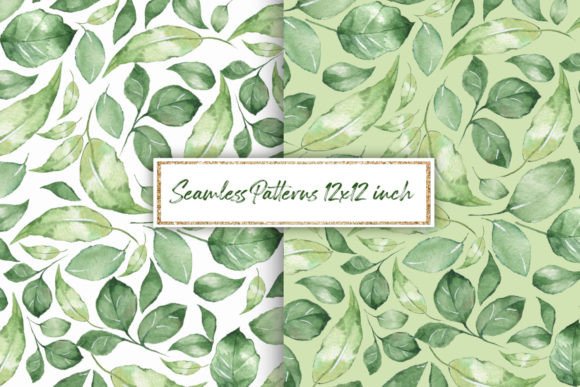
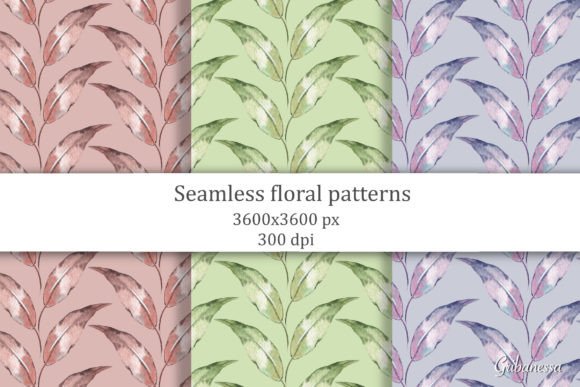
Opening the Leaves Watercolor Patterns file, the first thing that stands out is the gentle, flowing aesthetic. It’s a nature-inspired design with a painterly touch—think soft edges, flowing lines, and subtle layering that mimics brush strokes. It immediately feels like a good fit for botanical-themed projects, especially those aiming for a hand-painted or artistic vibe.
The pattern features a series of leaf motifs arranged in a loose, asymmetrical layout. It’s not overly dense, which is a plus for machine embroidery, and the balance between open space and filled areas makes it visually breathable. It doesn’t scream “craft project”—instead, it leans toward a more refined, boutique-ready look.
Real-World Use: From Tote Bags to Baby Clothes
I tested Leaves Watercolor Patterns on a few different fabric types and product formats. First up: a linen tote bag. The softness of the design paired beautifully with the natural texture of the linen. Stitching was smooth, and the watercolor effect translated well into thread—especially when using variegated thread colors to mimic the blended look of paint.
Next, I stitched it onto a baby onesie. The design scaled down well without losing its character. I used a lightweight stabilizer and a fine hoop to maintain fabric flexibility. The result was a delicate, whimsical touch that felt appropriate for a handmade baby gift.
For a more commercial use case, I placed the design on a cotton sweatshirt mockup. It held up nicely at a larger scale, maintaining clarity in the leaf shapes and not pulling the fabric too much. It would work well for boutique apparel or Etsy listings targeting a nature-loving audience.
Where This Design Shines
- Personalized gifts – Great for customizing with names or dates in a complementary font.
- Home decor items – Pillow covers and tea towels benefit from the soft, organic feel.
- Seasonal products – Especially useful for spring and fall merchandise, holiday gifts, or nursery decor.
- Digital mockups – The design previews well on printable mockups, helping Etsy sellers or digital product creators showcase their work.
Performance on Different Fabrics and Surfaces
One of the strengths of Leaves Watercolor Patterns is its adaptability across fabric types. On cotton and linen, it stitches cleanly with minimal puckering. I used a medium-weight tear-away stabilizer, which provided enough support without leaving residue.
On stretchy knit fabric (like a hoodie), I added a lightweight cutaway stabilizer behind the hoop to prevent distortion. The satin-stitched outlines held up well, though I noticed slightly more thread friction on darker fabrics, where the contrast made any small imperfections more visible.
When testing on a curved surface like a baseball cap, I had to adjust the placement to avoid distorting the watercolor effect. It still worked, but I’d recommend using a cap frame or adjustable hoop for best results.
Where to Use It Carefully
While Leaves Watercolor Patterns is versatile, it does have some limitations:
- Small hoop sizes – The design may need editing to fit smaller hoops without losing key elements.
- Textured or thick fabrics – The fine details can get lost on heavily textured materials like burlap or thick felt.
- Dark fabric backgrounds – Some of the lighter fill areas may not show up clearly without thread color adjustments.
- High-wear items – Dense satin-stitched sections may stiffen the fabric over time, so consider placement on less-flexed areas of clothing.
Visual Impact and Market Appeal
From a design standpoint, this pattern elevates the perceived value of a finished product. It reads as artistic yet accessible, making it ideal for Etsy sellers and small craft businesses aiming to stand out. The watercolor aesthetic has a modern, slightly upscale feel that appeals to buyers looking for handmade but not overly crafty.
As a designer, I found that using this embroidery file helped with brand consistency. It’s cohesive enough to use across multiple product lines—tote bags, baby items, and even holiday-themed gifts—without feeling repetitive. Customers responded positively to the soft, nature-inspired look, especially when paired with earthy tones or minimalist packaging.
Practical Notes for Embroidery Designers
Before using Leaves Watercolor Patterns in a client project or product line, here are a few practical steps I recommend:
- Test on scrap fabric – Especially if you’re using a new stabilizer or unfamiliar thread.
- Check thread color contrast – Some lighter sections may not pop on dark fabrics without adjustments.
- Verify hoop size – Make sure the design fits your available hoop before stitching.
- Inspect small details – Look for any fine lines or tiny elements that may not stitch well on certain machines.
- Try a black and white test – This helps assess contrast and clarity before committing to color thread.
- Use the right stabilizer – Tear-away works best for most cottons, but cut-away may be needed for stretchy fabrics.
- Review licensing – If you’re selling finished items or digital mockups, confirm the file’s commercial use permissions.
Final Thoughts: Worth the Hoop Space?
Yes, with a few caveats. Leaves Watercolor Patterns is a strong addition to any embroidery designer’s toolkit—especially if you work with boutique-style apparel, baby items, or seasonal home decor. It brings a soft, artistic touch that’s not overdone, and it scales well across different product types.
It’s not a one-size-fits-all design, but with a bit of planning and fabric consideration, it can become a go-to element in your embroidery project lineup. Whether you're crafting for Etsy, building a custom gift line, or adding flair to your small business merchandise, this pattern deserves a test run.