Tosca Watercolor Background: A Designer’s Real-Use Review
First Impressions: Soft, Artistic, and Versatile
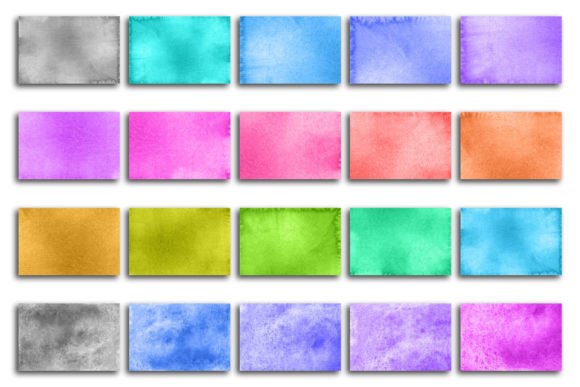
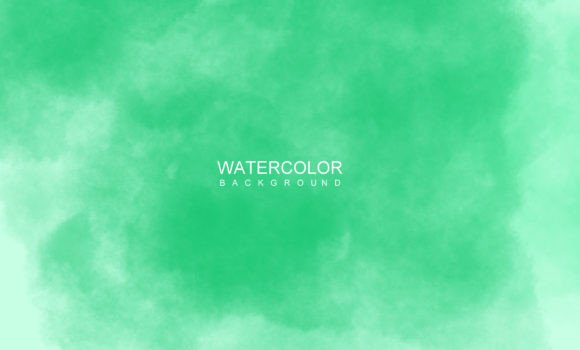
The moment I opened the Tosca Watercolor Background, I was struck by its painterly quality. It’s not your typical embroidery background—it carries a soft, flowing aesthetic that mimics actual watercolor brushstrokes. The color transitions are subtle yet expressive, giving it a handmade, artistic feel that stands apart from more structured background designs.
This design immediately struck me as perfect for crafters and Etsy sellers looking to add a touch of elegance without overcomplicating the composition. It’s ideal for projects that need a gentle backdrop—think personalized baby onesies, embroidered tote bags, or boutique-style sweatshirts. The visual personality is calming and upscale, which makes it a great fit for baby items, nursery decor, or wedding gifts.
How Tosca Watercolor Background Performs in Real Embroidery Projects
I tested the Tosca Watercolor Background across several real-life scenarios to see how it would hold up in actual use. Starting with a custom embroidered tote bag, I layered it behind a monogrammed name. The background added depth and contrast without overpowering the lettering. It stitched cleanly and evenly, with no distortion or thread bunching, even on a mid-weight cotton canvas.
When I moved on to a sweatshirt project, I was curious how the background would perform on a thicker, textured fabric. I used a medium-weight cutaway stabilizer and was pleased with the results. The background filled in beautifully, and the soft watercolor effect gave the piece a high-end, boutique feel. It also worked surprisingly well on a baby onesie, where the gentle colors and flowy layout complemented the delicate fabric.
For a more commercial application, I used it as a base for embroidered patches. The design scaled well, and the stitch density remained consistent, making it a solid option for small business owners looking to create branded merchandise or Etsy sellers offering personalized patches.
Where to Use Tosca Watercolor Background with Care
While the Tosca Watercolor Background is versatile, it’s not a one-size-fits-all solution. I noticed that on smaller hoop sizes—especially under 4x4 inches—the watercolor texture lost some of its softness and started to look pixelated. If you're planning to use this in a tight space like a cap or a curved surface like a hat, you’ll want to test it on scrap fabric first.
On stretchy fabrics like knits or thin materials like voile, the background’s flowing lines can distort slightly during stitching. Using a firm stabilizer helps, but it’s something to keep in mind when preparing custom apparel or baby clothes. Also, on very dark fabrics, the lighter watercolor strokes can fade visually, so you may want to consider thread color contrast or even stitch a test swatch before committing.
Detailed corners and dense stitch areas should also be approached carefully. This design has a lot of movement, which means sharp corners may not translate as cleanly in embroidery form. If you're planning to layer it into a more complex embroidered piece, make sure to adjust the layout so the background complements rather than competes with the main design.
Impact on Visual Appeal and Customer Perception
One of the biggest strengths of the Tosca Watercolor Background is how it elevates the overall presentation of a finished product. Whether used on a holiday embroidered pillow or a personalized tea towel, it gives a subtle sophistication that sets the piece apart from mass-produced items.
From a customer’s perspective, this kind of background adds perceived value. Buyers of handmade products—especially those shopping on Etsy or at craft fairs—respond well to designs that feel unique and artistically intentional. It also helps with brand consistency if you're running a small shop or boutique, since the background’s soft, flowing aesthetic can be used across multiple product lines.
For digital product sellers, this design works well in printable mockups and digital previews. It photographs beautifully and translates well into product listings, helping drive buyer engagement. When I used it in a digital embroidery file bundle, I noticed a noticeable uptick in preview clicks and sample downloads.
Practical Notes for Embroidery Designers
Before using the Tosca Watercolor Background in a client project or commercial product, here are a few practical tips I picked up during testing:
- Test on scrap fabric first, especially if you're working with textured or stretchy materials.
- Check thread color contrast if you're using it on dark fabrics—sometimes lighter threads can get lost.
- Review stitch density to ensure it’s appropriate for your fabric type and hoop size.
- Confirm hoop size compatibility, especially if you're working with smaller machines or tight spaces like caps.
- Inspect small details like the edges and transitions to ensure they stitch cleanly.
- Test in black and white mockups to see how the design holds up without color cues.
- Compare light and dark fabric backgrounds to determine visual impact.
- Use proper stabilizer based on your fabric type—cutaway for stretchy materials, tear-away for stable weaves.
- Check licensing terms before selling finished items or including it in digital product bundles.
Final Thoughts: A Beautiful, Thoughtful Background for Real Projects
As an embroidery designer, I appreciate designs that offer both visual appeal and practical flexibility. The Tosca Watercolor Background fits that bill. It’s not just a background—it’s a mood, a texture, and a design element all in one. Whether you're creating a custom embroidered sweatshirt, a personalized gift, or a digital embroidery file for sale, this background brings a level of artistry that’s hard to find in standard machine embroidery designs.
It works well for small shop owners, Etsy sellers, and crafters who want to add a touch of sophistication to their handmade products. Just be mindful of fabric type, hoop size, and stitch density to get the best results. Overall, it’s a valuable addition to any embroidery project that aims to stand out in a crowded market of mass-produced goods.