Teal Green Watercolor Background: A Designer’s Honest Review for Real Embroidery Use
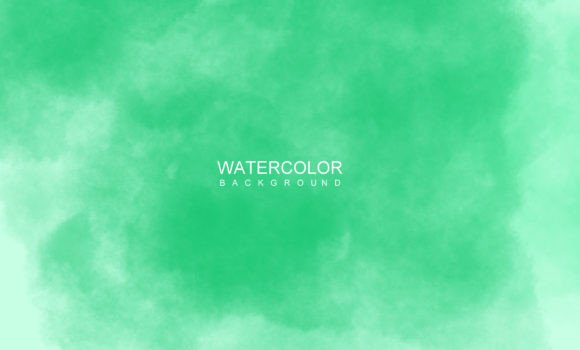
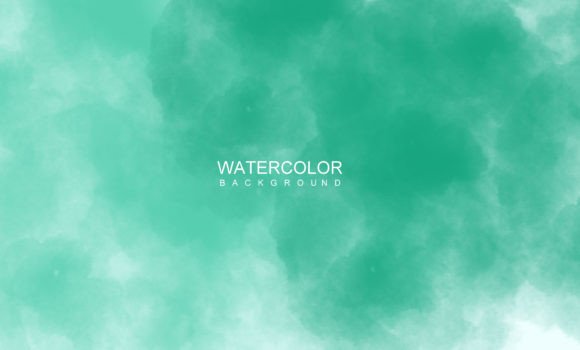
The first time I opened the Teal Green Watercolor Background embroidery file, I was immediately drawn to its soft, flowing tones. It's not a bold statement piece, but rather a subtle, mood-setting background that feels like a deep inhale of fresh air. The color transitions from light turquoise to deeper teal create a painterly effect that’s both calming and sophisticated. I could already picture it as a base layer for a custom embroidered tote bag or a breathable backdrop on a linen baby onesie.
What stands out most is the organic layout. There’s no harsh geometry here—just soft edges and gentle gradients that mimic real watercolor washes. The design doesn’t dominate; it supports. That makes it ideal for embroidery projects where you want a background that enhances, not overwhelms, the main motif or personalized text.
Putting Teal Green Watercolor Background to the Test in Real Projects
I decided to test this background in a few different scenarios to see how it holds up across materials and use cases. First, I stitched it onto a cotton tote bag. The result was exactly what I hoped for—light, airy, and slightly textured in a way that gave the bag a handmade, boutique feel. It looked like the background was painted on, not stitched, which is always a great sign for embroidery work aiming for a high-end finish.
Next, I tried it on a sweatshirt. The heavier fabric softened the watercolor effect a bit, but in a way that worked well for casual wear. The background became a subtle underlayer, perfect for adding depth without distracting from the main embroidered design. It’s a smart choice for Etsy sellers or small shop owners looking to elevate their custom apparel without complicating the look.
I also tested it on a baby onesie. The softness of the teal green tones paired beautifully with a simple embroidered name or animal motif. It gave the item a personalized touch that felt both gentle and stylish—ideal for baby embroidery or nursery decor.
Where Teal Green Watercolor Background Shines—and Where It Needs Care
This design performs best on medium-weight, smooth fabrics like cotton, linen, and light denim. It’s forgiving on flat surfaces and holds up well with standard stabilizers. That said, I noticed a few limitations when pushing the design into more complex scenarios.
On stretchy or textured fabrics like fleece or knits, the watercolor effect lost some of its clarity. The soft gradients became slightly distorted, especially around the edges. For sweatshirts or blankets, that may not be a dealbreaker, but if you're aiming for a crisp, clean look—say for a boutique product or a commercial embroidery project—you’ll want to test it first on a similar fabric.
Small hoop sizes are another area to watch. The background’s flowing layout doesn’t scale down gracefully. The subtle color transitions become muddied, and the visual impact is lost. If you're planning to use this on caps, curved surfaces, or anything with tight space constraints, consider simplifying the design or opting for a smaller, more defined background.
I also noticed that on dark fabrics, the teal tones can appear muted unless paired with the right thread contrast. It’s worth running a test in black and white mockups to see how the design translates before committing to a full run of embroidered patches or personalized gifts.
How It Impacts the Final Product
From a design perspective, Teal Green Watercolor Background elevates the overall presentation of any embroidered item. It adds a layer of visual interest that makes handmade products feel more intentional and professionally curated. Whether you're creating custom apparel, tote bag designs, or holiday embroidery, this background brings a level of sophistication that’s hard to achieve with flat fills or basic patterns.
For Etsy sellers and small shop owners, that kind of visual polish can make a big difference in perceived value and customer trust. A background like this helps your finished product stand out in a sea of generic embroidery, especially when used in digital product previews or printable mockups. It gives buyers a sense of quality and care that translates into better engagement and repeat sales.
Still, as with any machine embroidery design, success depends on thoughtful execution. Thread color contrast, stitch density, and stabilizer use all play a role in how well this background performs. I found that using a lightweight cutaway stabilizer gave the best results on most fabrics, helping maintain the softness of the watercolor effect without puckering or pulling.
If you're planning to use this design in your embroidery projects, here are a few key takeaways based on my experience:
- Always test the embroidery file on scrap fabric before stitching the final product, especially if you're using it on a new fabric type.
- Check thread color contrast carefully. The subtle teal tones may not stand out as expected on dark or textured backgrounds.
- Review stitch density to ensure the background fills smoothly without pulling or distorting the fabric.
- Confirm that the hoop size matches your machine and the intended project. This background doesn’t scale well down to smaller hoops.
- Inspect small details like corners and gradients—they can lose clarity when stitched too small or on uneven surfaces.
- Try a black and white mockup to evaluate contrast and clarity before embroidering on dark or patterned fabrics.
- Use the right stabilizer for each fabric type—lightweight tear-away works best for smooth cotton, while cutaway is better for stretchy or textured materials.
- If you're selling finished items or digital embroidery files, confirm licensing before use to avoid issues with commercial embroidery or digital product sales.
Final Thoughts for Embroidery Designers and Creative Entrepreneurs
Teal Green Watercolor Background is a versatile design that brings a touch of artistic flair to a wide range of embroidery applications. Whether you're crafting custom apparel, personalized gifts, or boutique-style merchandise, this background adds a level of refinement that helps your finished product stand out.
It’s not a one-size-fits-all solution—it has its limitations, especially on small hoop sizes or textured fabrics—but when used thoughtfully, it enhances both the visual appeal and perceived value of your work. For Etsy sellers, craft business owners, and digital product creators, that kind of design asset is worth its weight in thread.
As a designer, I’d recommend this background for anyone looking to elevate their embroidery projects with a soft, painterly touch. Just remember to test it thoroughly, respect its design boundaries, and pair it with complementary motifs or text for a balanced, professional finish.