Watercolor Graphic Leopard 3: A Designer’s Honest Take for Real Embroidery Use
First Impressions: Soft, Wild, and Surprisingly Versatile
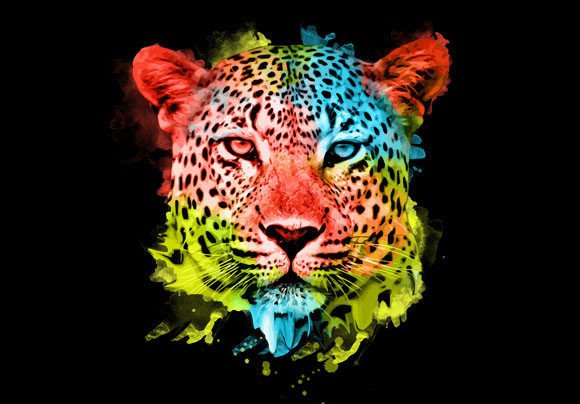
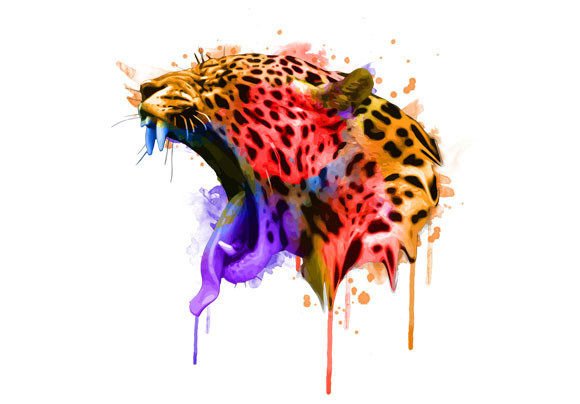
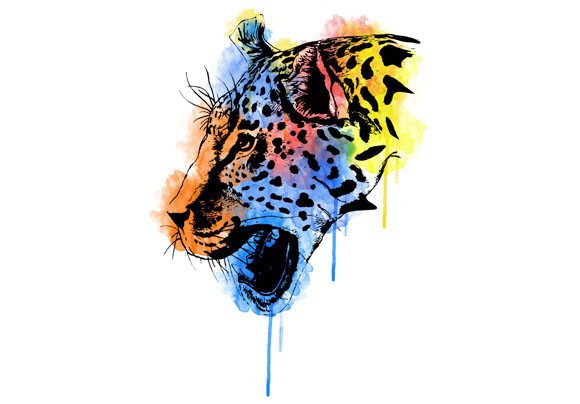
When I first opened the file for Watercolor Graphic Leopard 3, I was struck by how it manages to feel both bold and delicate at the same time. The watercolor effect gives it a painterly, almost dreamy quality, while the leopard spots keep it grounded in a wild, modern aesthetic. It’s not your typical embroidery design — it leans more artistic than literal, which makes it a standout in the Print Templates category.
As someone who reviews embroidery files for real-world use, I immediately thought about how this would translate into stitched form. The soft edges and gradient-like color blending suggest it’s best suited for projects where subtlety and style matter — think boutique tote bags, custom sweatshirts, or even nursery decor for a baby’s room.
How It Stands Up in Real Embroidery Projects
I decided to test Watercolor Graphic Leopard 3 on a few different items to see how it holds up beyond the digital preview. I started with a cotton tote bag — a common product for Etsy sellers and small craft businesses. The design stitched out cleanly, and the watercolor texture gave it a unique depth that flat applique designs often miss.
- On a medium-weight cotton tote: excellent clarity, soft texture, and a handcrafted look.
- On a baby onesie: the design scaled down well without losing its character, though I had to be careful with stabilizer placement due to the stretchy fabric.
- On a dark-colored sweatshirt: the lighter spots needed a bit more thread contrast, but the final result was eye-catching and modern.
It also worked surprisingly well as a patch design. The watercolor background gave it a vintage vibe that felt handmade and boutique-ready. I can imagine this being a hit for holiday gifts or personalized baby items — especially when paired with a minimalist font for a name or date.
Where to Use It Carefully — and Why
Despite its beauty, Watercolor Graphic Leopard 3 isn’t a one-size-fits-all embroidery file. It has a lot of fine detail and subtle shading, which means it needs the right conditions to stitch out cleanly. Here are a few things to watch for:
- Small hoop sizes – This design loses impact when scaled down too much. The leopard spots can get lost, especially on detailed corners.
- Stretchy or thin fabric – The intricate fill stitches can pucker or distort if the stabilizer isn’t properly matched to the fabric type.
- Dark backgrounds – Some of the lighter watercolor elements may not pop unless you adjust thread colors or add a base layer of satin stitch.
- Curved surfaces like caps or mugs – The soft edges may blur or distort under tension.
If you're planning to use this in a commercial embroidery setting or for custom apparel, always test it on scrap fabric first. It’s worth the extra time to ensure the final embroidered product looks as good as the digital preview.
Visual Appeal and Customer Impact
One of the biggest strengths of Watercolor Graphic Leopard 3 is how it elevates the perceived value of a product. Whether it's stitched onto a pillow cover or a boutique tote, the design feels handmade but professional. It walks the line between trendy and timeless, which is a big plus for small business owners trying to build a cohesive brand.
I can see this design working well for:
- Personalized gifts with added text or names
- Boutique clothing and accessories
- Nursery decor and baby embroidery
- Holiday-themed items like embroidered tea towels or throw pillows
From a customer perspective, it reads as unique and thoughtful — which is exactly what handmade shoppers are looking for these days. It’s not overly busy, but it’s not generic either. That balance is hard to find in digital embroidery files, and it makes this design a solid choice for Etsy sellers and creative entrepreneurs.
Designer Notes: What to Check Before You Stitch
Before diving into a full project using Watercolor Graphic Leopard 3, here are a few practical checks I recommend:
- Test on scrap fabric – Especially if you're working with stretchy or textured materials.
- Review stitch density – Make sure the fill stitches are tight enough to hold the watercolor effect but not so dense that they cause puckering.
- Check thread color contrast – This design benefits from a bit of tonal variation to bring out the watercolor layers.
- Confirm hoop size – Know your machine’s limitations, especially if you're planning to scale the design up or down.
- Use proper stabilizer – A medium-weight tear-away or wash-away stabilizer works best for this design’s texture.
- Confirm licensing – If you plan to sell finished items or digital embroidery files, make sure the original license allows for commercial use.
Also, don’t skip the mockup step. I always test embroidery files in black and white first to see how the contrast and shape hold up without color distractions. This design still reads clearly in grayscale, which is a good sign for its overall structure and legibility.
Final Thoughts: A Thoughtful Addition to Any Embroidery Collection
Watercolor Graphic Leopard 3 isn’t just another embroidery file — it’s a design that brings a sense of artistry and modern flair to real-world projects. Whether you’re a small shop owner, a digital product seller, or a craft hobbyist, this design can help elevate your finished product and appeal to a more design-conscious audience.
It’s not without its quirks — but then again, the best embroidery designs rarely are. The key is knowing how to work with its strengths and limitations. If you're looking for a machine embroidery design that feels both fresh and functional, this one is definitely worth a closer look.