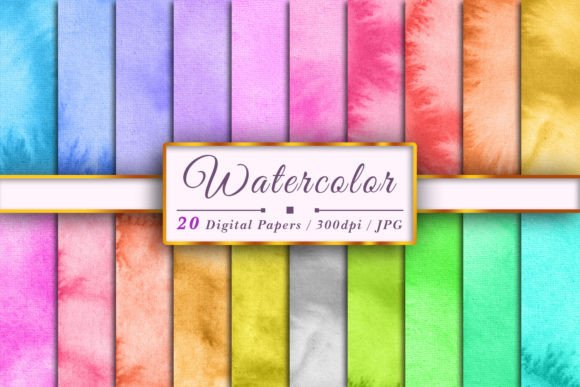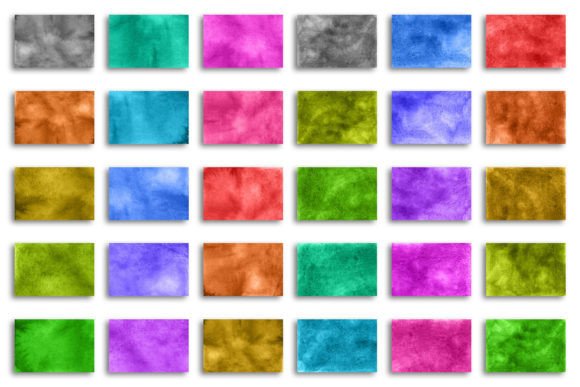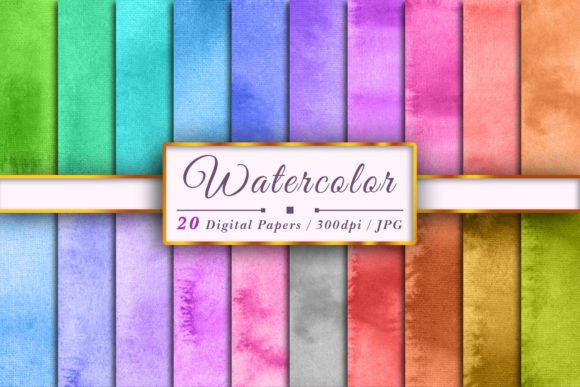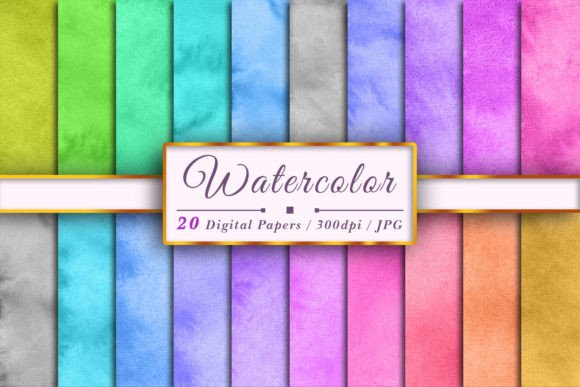
Watercolor Texture Sublimation Set 436 Review
First Impressions: Evaluating the Aesthetic for Stitching
When I first opened Watercolor Texture Sublimation Set 436, my immediate reaction was not about how it looks on a screen, but how it will translate under the needle. As a designer who bridges the gap between digital assets and physical embroidery, I approach every background file with a critical eye. This set falls into the Backgrounds category, which often presents unique challenges for machine embroidery design. Watercolor effects are inherently soft and fluid, while embroidery is structured and tactile. My initial assessment focused on whether this texture provides enough visual interest without competing with foreground elements like monograms or applique designs.
The mood created by this specific set is organic and modern. It avoids the harsh, pixelated edges that plague lower-quality digital embroidery files. For an Etsy seller or small shop product creator, this matters immensely. Customers associate smooth gradients and intentional artistic textures with high-value handmade products. However, as I reviewed the layout, I had to consider stitch density. A true watercolor look requires careful color blending. If the fill stitch areas are too dense, you risk fabric distortion; if they are too sparse, the watercolor illusion breaks. This set appears to strike a balance suitable for custom apparel and personalized gifts, provided the digitizing respects the limitations of thread on fabric.
Real-World Application: The Custom Sweatshirt Test
To truly evaluate Watercolor Texture Sublimation Set 436, I mentally placed it in a current client project: a line of boutique sweatshirts featuring botanical line art. In this scenario, the background serves as a halo behind delicate running stitch flowers. The goal was to add depth without making the garment feel heavy or stiff.
In this real-life application, the texture acts as a stabilizer-friendly backdrop. When stitching onto fleece or French terry, the fabric texture itself can sometimes swallow fine details. This watercolor background helps mask the natural weave of the sweatshirt while providing a color base that makes the black line art pop. For a craft business owner, this efficiency is key. Instead of stitching a massive, dense block of color that takes forty minutes and risks puckering, a well-digitized watercolor background can provide coverage with fewer stitches. This reduces production time and preserves the drape of the garment, which is essential for customer satisfaction in commercial embroidery projects.
I also considered how this would work for an embroidered patch. Patches require clean edges and distinct separation from the backing. The soft edges of a watercolor texture can be tricky here. If using this set for patches, I would recommend adding a defined border or ensuring the satin stitch edging overlaps the texture cleanly to prevent fraying. For tote bag designs or tea towels, however, the soft transition works beautifully, mimicking the look of hand-painted fabric rather than manufactured goods.
Navigating Fabric Limitations and Hoop Constraints
While Watercolor Texture Sublimation Set 436 offers versatility, it demands respect for material constraints. Not every fabric is a candidate for this style of background. Here is where practical judgment must override digital perfection:
- Stretchy Fabrics: On performance wear or thin knits, large background fills can cause tunneling. Even with proper stabilizer, the tension required for wide fill stitch areas may distort the garment shape. Test on scrap fabric first before committing to a final baby embroidery or activewear project.
- Dark vs. Light Fabrics: Watercolor relies on luminosity. On dark fabrics, this design may require a white underlay base to show up correctly, which significantly increases stitch count. Always check your thread colors against the actual fabric swatch, not just the software preview.
- Hoop Size Considerations: Backgrounds often push the limits of hoop sizes. Ensure your machine’s maximum field accommodates the full spread of the texture. If you must resize, do so cautiously. Shrinking a watercolor design too much can cause stitch overlap and thread breaks, while enlarging it may reveal gaps in the fill pattern.
- Textured Surfaces: Avoid using this on highly textured fabrics like boucle or thick canvas unless you plan to use a topping. The subtle gradient shifts in the watercolor effect will get lost in the physical texture of the material.
For curved surfaces like caps, I generally advise against using broad background textures unless the design has been specifically digitized for cylindrical hooping. The distortion inherent in cap embroidery often warps horizontal gradients, making them look uneven. Stick to flat items like pillow covers, aprons, and blankets for the best results with this set.
Elevating Product Value and Brand Consistency
Why choose a specialized background like Watercolor Texture Sublimation Set 436 over a standard solid fill? The answer lies in perceived value. In the competitive landscape of Etsy sellers and creative entrepreneurs, differentiation is survival. A solid block of color reads as utilitarian; a watercolor texture reads as artistic. This distinction directly influences buyer engagement and pricing power.
When creating printable mockups for digital product listings, this texture adds a layer of professionalism. It signals to potential buyers that the finished product will have dimension and care. For those selling personalized gifts, such as wedding keepsakes or holiday embroidery, the softness of the watercolor aesthetic evokes emotion in a way that stark vector graphics cannot. It feels human.
Furthermore, consistency builds brand trust. By integrating this specific texture set across multiple product lines—from nursery decor to kitchen linens—you create a cohesive visual identity. Customers begin to recognize your signature style. This recognition is vital for small business merchandise and boutique branding. Just ensure that the licensing for this digital embroidery file permits the commercial use you intend, whether that is selling physical finished products or incorporating the design into other digital assets.
Essential Technical Notes for Makers
Before loading this embroidery file into your machine, run through this practical checklist to ensure success:
- Verify Stabilizer Pairing: Watercolor backgrounds usually cover significant surface area. Use a high-quality cut-away stabilizer for stretchy garments and a tear-away for stable woven fabrics. Consider a water-soluble topping if the fabric has a pile.
- Check Thread Contrast: Run a grayscale test. If the values are too similar, the watercolor effect will flatten out when stitched. You need distinct tonal variation in your thread colors to mimic the paint bleed effect.
- Inspect Small Details: Zoom in on the design file. Are there tiny isolated stitches that might shred thread? Clean these up in your editing software before stitching. Machine embroidery design integrity relies on eliminating unnecessary trims and jumps.
- Test Wash Durability: If this is for a baby item or tea towel that will see frequent laundering, stitch a sample and wash it aggressively. Ensure the fill stitch holds up and doesn't pull away from the surrounding fabric.
- Confirm Licensing: Always review the specific terms for Watercolor Texture Sublimation Set 436. Understand the difference between using it for a finished embroidered patch versus reselling the digital file itself.
Ultimately, Watercolor Texture Sublimation Set 436 is a powerful tool for makers who understand the interplay between digital art and physical craft. It offers a sophisticated alternative to basic backgrounds, enhancing everything from custom apparel to home decor. By approaching it with technical awareness and artistic intention, you can transform a simple digital asset into a standout handmade product that resonates with customers and elevates your portfolio.