Dark Green Watercolor Digital Texture Review
As an embroidery designer who has spent years digitizing and testing files for commercial production, I approach background textures with a healthy dose of skepticism. We have all downloaded a beautiful digital image only to find it translates into a bulletproof vest of thread when stitched out. When evaluating the Dark Green Watercolor Digital Texture for real-world application, my primary concern is not just how it looks on a screen, but how it behaves under the needle. This review breaks down the practical realities of using this specific machine embroidery design in a professional or small business setting, focusing on stitch integrity, fabric compatibility, and final product value.
First Impressions and Visual Mood
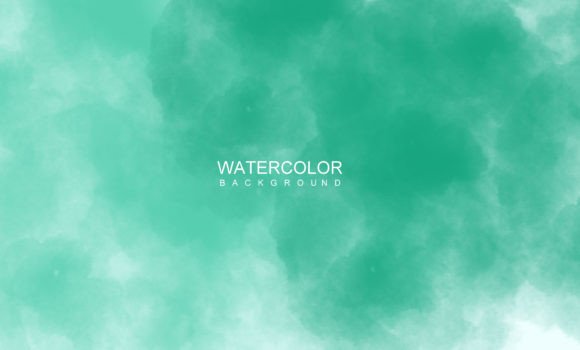
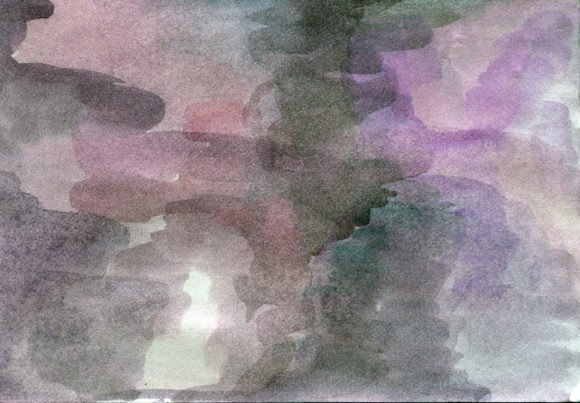
The immediate appeal of this Dark Green Watercolor Digital Texture lies in its organic unpredictability. Unlike rigid geometric backgrounds, watercolor styles offer a softness that is notoriously difficult to replicate in thread. Visually, this design carries a moody, sophisticated forest tone that feels grounded rather than stark. For a creative entrepreneur or Etsy seller, this colorway taps into current trends favoring natural, earthy aesthetics without leaning too heavily into seasonal clichés. It avoids the flatness often associated with digital fill stitches, suggesting a digitizer who understood that watercolor requires variable density to mimic the bleed of pigment on paper. However, as a reviewer, I immediately look for potential puckering zones where color transitions might create excessive stitch buildup.
Real-World Test: The Botanical Tote Bag Project
To truly evaluate this texture, I applied it to a custom embroidered tote bag project intended for a boutique client. The goal was to create a reusable shopping bag that felt artisanal rather than mass-produced. I chose a natural canvas base to contrast with the deep green hues. In this scenario, the Dark Green Watercolor Digital Texture served as a backdrop for delicate line-art florals. The result was striking because the texture provided visual weight without competing with the foreground motif. Customers responded well to the depth; the background did not look like a solid block of green but rather a painted wash. This distinction is vital for handmade products where perceived value relies on nuance. If you are planning sweatshirt embroidery or nursery decor, this layering capability is the design's strongest asset.
Performance Across Different Substrates
Versatility is key for any craft business managing inventory. This embroidery file performs distinctly differently depending on the host fabric. On stable woven materials like denim, canvas, or twill, the texture holds its shape beautifully, allowing the watercolor effect to shine through precise stitch placement. However, caution is required for stretchy knits or performance fabrics often used in custom apparel. The nature of a textured background implies higher stitch counts, which can cause distortion on jersey or interlock if not properly stabilized. For baby embroidery or lightweight tea towels, I recommend testing a reduced-density version or using a tear-away stabilizer combined with a water-soluble topping to prevent the stitches from sinking into the weave.
For commercial embroidery projects involving caps or curved surfaces, this design requires careful positioning. The horizontal spread of watercolor textures can warp on the curve of a hat front. I found it works best as a partial accent rather than a full-wrap background on headwear. Conversely, for flat items like pillow covers or aprons, the design lays flat and maintains its artistic integrity, making it ideal for home goods listings.
Navigating Technical Constraints and Risks
No design is without limitations, and professional judgment means knowing where not to use a file. With the Dark Green Watercolor Digital Texture, be wary of small hoop sizes. Compressing a complex texture into a 4x4 area can lead to density issues that break needles or shred fabric. Always verify the minimum recommended hoop size before purchasing or stitching. Additionally, consider the interaction with dark fabrics. While the green is rich, it may lose definition on black or navy garments unless outlined or highlighted with lighter thread colors. This affects contrast and readability, which is crucial for personalized gifts where the background supports text or names.
- Stitch Density: Inspect the file for areas where multiple colors overlap. High-density intersections are prime spots for fabric damage on thin materials.
- Thread Colors: Ensure your machine’s green palette matches the digital preview. A mismatched variegated thread can turn a subtle watercolor wash into a chaotic mess.
- Stabilizer Choice: Do not rely solely on hooping. Use adhesive spray or basting stitches to keep the fabric taut, as watercolor textures often involve long running stitches that can pull.
- Washability: For items needing frequent laundering like kitchen towels or baby clothes, test wash durability. Loose satin stitches in textured designs can snag over time.
Impact on Brand Perception and Sales
For Etsy sellers and small shop owners, the choice of background directly influences buyer engagement. A generic, flat fill stitch signals "amateur," while a well-executed texture like this signals "designer." Using this Dark Green Watercolor Digital Texture elevates the perceived professionalism of finished products. It creates a cohesive brand identity, especially for businesses focused on cottagecore, botanical, or vintage aesthetics. When creating printable mockups or digital product previews, this texture photographs exceptionally well, reducing glare compared to high-sheen satin backgrounds. This visual clarity helps convert browsers into buyers by accurately representing the tactile quality of the embroidery project.
Furthermore, offering unique backgrounds distinguishes your catalog from competitors using stock library basics. Whether you are selling physical embroidered patches or digital embroidery files, originality builds customer trust. Clients recognize effort and artistry, and they are willing to pay a premium for items that feel curated rather than automated.
Essential Designer Notes Before Stitching
Before committing this design to a sellable product, adhere to these practical checkpoints. First, always run a test stitch-out on scrap fabric that matches your final project's weight and texture. Digital previews cannot simulate thread tension or fabric drag. Second, review the licensing terms explicitly. Confirm whether the file allows for commercial use on finished goods or if it is restricted to personal crafting. This protects your business from legal issues down the line. Third, check the color sequence. Efficient digitizing minimizes trims and jumps; if the file requires excessive color changes for a simple gradient, it may slow down production and increase thread waste.
Finally, consider the end user. If this texture is for a personalized gift, ensure there is adequate negative space for monograms or names. A busy background can render custom text illegible. By treating the Dark Green Watercolor Digital Texture as a component of a larger design system rather than a standalone solution, you maximize its utility and aesthetic impact. Whether for holiday embroidery, boutique branding, or heirloom keepsakes, this texture offers a sophisticated foundation when applied with technical mindfulness and artistic intent.