Dog Mom Watercolor: A Designer’s Stitch Test
As an embroidery designer who has digitized and tested countless files for commercial and personal use, I approach every new machine embroidery design with a healthy dose of skepticism. We have all purchased files that look stunning on screen but turn into thread nests or distorted messes once the needle hits the fabric. When evaluating the "Dog Mom - Watercolor" design, my primary focus is not just its aesthetic charm, but its structural integrity in a real-world production environment. This review breaks down how this specific watercolor-style graphic translates from a digital preview to a tangible finished product, specifically for makers running a craft business or creating high-stakes personalized gifts.
First Impressions and Visual Translation
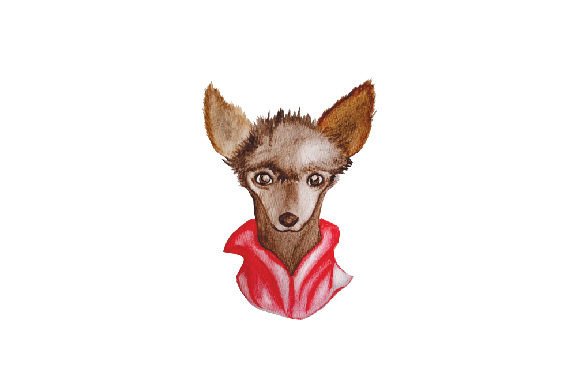
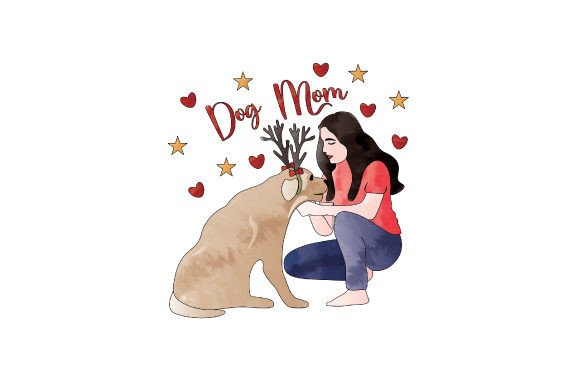
The immediate appeal of Dog Mom - Watercolor lies in its softness. Unlike traditional bold-fill designs, watercolor styles rely on varying stitch density and color blending to mimic paint washes. My first impression was that this design carries a gentle, organic mood that feels significantly more premium than standard block-letter novelty graphics. For an Etsy seller or boutique owner, this visual personality suggests a higher price point because it looks hand-painted rather than mass-produced.
However, translating watercolor effects into thread requires complex layering. In reviewing the file structure, I looked for smooth transitions between fill stitch areas and delicate running stitch details. A poor watercolor digitization often results in harsh lines where colors meet, breaking the illusion. Fortunately, when executed correctly, this style offers a beautiful texture that catches light differently than flat satin stitches. For those selling design assets or finished goods, this texture adds perceived value, making the item feel like wearable art rather than simple merchandise.
Real-World Application: The Sweatshirt Test
To truly judge viability, I mentally placed Dog Mom - Watercolor in a specific scenario: creating a custom crewneck sweatshirt for a client’s dog-themed holiday collection. Sweatshirts are a staple for custom apparel, but their fleece backing and stretchy knit present unique challenges for detailed artwork.
In this context, the watercolor effect serves as a major advantage. Heavy, dense designs can cause fabric puckering on knits, creating a bulletproof vest effect that customers dislike. Because watercolor styles typically utilize lighter densities and open shading, Dog Mom - Watercolor sits flatter against the garment. This makes it ideal for sweatshirt embroidery where drape and comfort are paramount. However, I did note that the softer edges require precise hooping. If the fabric shifts even slightly during the color changes required for the blending effect, the watercolor illusion breaks. For any small shop product involving stretchy fabrics, using a high-quality adhesive spray and cutaway stabilizer is non-negotiable to maintain registration.
Navigating Fabric Textures and Hoop Constraints
While this design shines on stable knits, it demands caution elsewhere. Watercolor embroidery relies on visual clarity; if the background fabric competes with the stitch texture, the design gets lost. I would advise against using Dog Mom - Watercolor on highly textured surfaces like terry cloth towels or ribbed corduroy unless you plan to use a heavy water-soluble topping. The intricate shading simply cannot compete with deep pile fabrics.
Hoop size selection is another critical factor. Watercolor designs often have sprawling layouts to accommodate color gradients. Before purchasing or stitching, verify that the design dimensions fit your machine’s maximum field without requiring resizing. Resizing a watercolor file by more than 10% can destroy the carefully calibrated stitch angles and density ratios that create the painted look. If you are a digital embroidery file reseller or creator, always provide exact dimensions so buyers can avoid this pitfall. For those working with smaller hoops, check if the vendor offers multiple size variations, as shrinking a complex watercolor piece often leads to thread breaks and lost detail.
Commercial Viability and Customer Perception
For entrepreneurs focused on commercial embroidery, consistency is key. Does Dog Mom - Watercolor look as good on the tenth stitch-out as it did on the first? In my assessment, this design style supports strong brand recognition because it avoids generic clip-art aesthetics. Customers browsing Etsy listings or craft fair tables are drawn to items that evoke emotion. The artistic nature of this design bridges the gap between pet merchandise and fashion, allowing sellers to target a demographic that wants to celebrate their love for dogs without wearing overt novelty gear.
This versatility extends to other products. While I tested it mentally on apparel, the same attributes make it excellent for tote bag design or nursery decor. On canvas totes, the watercolor effect contrasts beautifully against the natural cotton weave. For baby items, the softer visual weight is less aggressive than bold cartoons, making it suitable for baby embroidery projects where gentleness is preferred. Just remember that any item intended for frequent washing needs proper stabilization; watercolor stitches can be looser than solid fills, so securing the perimeter is vital for longevity.
Essential Pre-Stitch Checklist for Makers
Before you commit Dog Mom - Watercolor to a final product or add it to your inventory, run through this practical checklist to ensure professional results:
- Test on Scrap Fabric First: Never stitch this directly onto a final garment without a test run. Use a scrap of the exact material you intend to sell to check for puckering and color blending accuracy.
- Verify Thread Color Contrast: Watercolor effects depend on subtle shade variations. Ensure your thread colors match the digitizer’s chart closely; substituting high-contrast threads can make the design look striped rather than blended.
- Check Stabilizer Pairing: Match your stabilizer to the fabric weight. Lightweight knits need cutaway support; woven cottons may suffice with tear-away. The goal is zero distortion.
- Review Licensing Terms: Confirm whether the embroidery file allows for commercial use on finished products versus digital redistribution. Protect your business by understanding these boundaries before listing items.
- Create Accurate Mockups: When creating a printable mockup or digital preview, ensure the lighting reflects the matte texture of thread. Glossy digital renders can mislead customers about the actual handmade finish.
- Inspect Small Details: Zoom in on the design file. Are there tiny jump stitches or isolated dots that might get lost? Clean up any stray nodes in your software before stitching to prevent machine errors.
Final Thoughts on Design Integrity
Dog Mom - Watercolor represents a sophisticated tier of pet-themed embroidery. It moves beyond basic novelty into the realm of textile art, offering handmade product creators a way to elevate their catalog. Its success in your studio will depend entirely on respecting the technical requirements of watercolor digitizing. By paying attention to stabilization, fabric choice, and color accuracy, you can transform this digital file into a best-selling asset that resonates with dog lovers who appreciate quality craftsmanship. Whether you are producing holiday embroidery gifts or stocking your year-round boutique line, this design offers both emotional connection and professional versatility when handled with care.