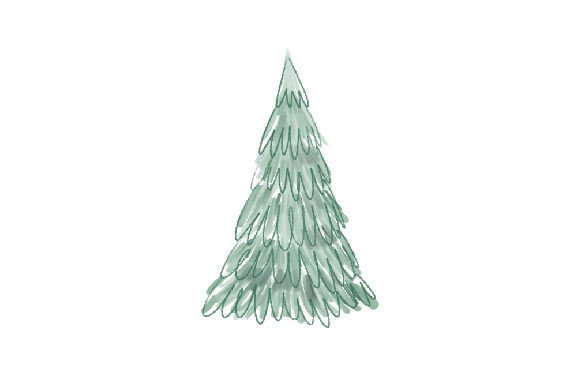
Ice Christmas Tree - Watercolor: A Designer’s Real-World Embroidery Review
First Impressions: Delicate, Festive, and Surprisingly Versatile
When I first opened the Ice Christmas Tree - Watercolor embroidery file, I was struck by how softly it conveyed the holiday spirit. This isn’t a bold, in-your-face Christmas design—it’s more of a whisper than a shout. The watercolor effect gives it a painterly quality that feels modern and a little whimsical. It’s ideal for crafters and Etsy sellers looking to offer a refined holiday aesthetic without the usual reds and greens.
The tree itself is stylized, with flowing lines and a semi-transparent overlay that mimics brushstrokes. It doesn’t rely on heavy satin stitches or dense fill work, which makes it a lighter option for seasonal embroidery. I immediately thought of how this would look on a linen tea towel or a minimalist baby onesie—something where subtlety is key.
Real-World Use: Where Does It Shine?
I tested the Ice Christmas Tree - Watercolor on a few different fabric types to get a sense of how it would hold up in actual projects. First, I stitched it onto a cotton tote bag—medium weight, no stretch. The result was clean and elegant, with the design’s soft edges blending well into the natural fibers.
Next, I tried it on a sweatshirt made from fleece-backed jersey. The texture was a bit more challenging, but using a lightweight cutaway stabilizer helped maintain clarity in the fine lines. It looked great on a neutral gray sweatshirt—festive without being overwhelming, perfect for a boutique-style seasonal collection.
For baby items, I embroidered it onto a 100% cotton burp cloth. The lack of dense stitching made it soft against sensitive skin, which is a big plus when making personalized baby gifts. I could easily see this design used on holiday-themed baby blankets or embroidered onesies sold at craft fairs or Etsy shops.
Performance Across Fabric Types and Garment Styles
This design holds up well on flat, stable surfaces. I had no issues stitching it onto tote bags, tea towels, or pillow covers. The watercolor effect translates nicely into thread, especially when using a range of light blues and silvers for the tree and background.
- Stretchy fabrics: Be cautious here. The fine lines can distort slightly if the fabric pulls during stitching. A good stabilizer is a must.
- Dark fabrics: The design works best with a light thread palette. I recommend testing thread color contrast on black or navy garments before committing.
- Curved surfaces: Not ideal for curved caps or mugs. The subtle details can get lost or misaligned on uneven surfaces.
It also worked surprisingly well as a standalone embroidered patch. I stitched it onto felt with a satin border and used it as a holiday embellishment for a handmade ornament kit. The soft aesthetic made it feel like a premium addition to the product lineup.
Where to Use It Carefully
While Ice Christmas Tree - Watercolor is beautiful, it has a few limitations in more technical embroidery applications. It's not the best choice for:
- Small hoop sizes: The design needs space to breathe. In a 4x4 hoop, some of the delicate details get compressed and lose their charm.
- High-traffic items: Since it doesn’t use heavy stitch density, it may not hold up as well on frequently washed items like kitchen towels or children’s clothing.
- Textured or thick fabrics: The fine lines can get lost in fleece, terry cloth, or quilted materials. Stick to smooth cotton or linen blends for best results.
If you're planning to sell finished products, especially those that will be machine washed often, test the durability first. A light tear-away or wash-away stabilizer might help, but don’t expect it to be as resilient as a traditional applique design.
Design Impact: Visual Appeal and Marketability
One of the biggest pluses of Ice Christmas Tree - Watercolor is how it elevates the perceived value of a product. It reads as high-end and artistic, which is a win for small shop owners trying to stand out in crowded holiday markets.
On Etsy, this kind of design can help differentiate your listings. It’s not the typical Christmas tree—it’s more refined, which appeals to buyers looking for something unique. Pair it with clean product photography and minimalist packaging, and you’ve got a gift-ready item that feels intentional and thoughtful.
For crafters and handmade sellers, this design can be part of a cohesive holiday collection. It works well alongside monogrammed initials or simple snowflake accents. Just keep the rest of the design minimal to let the watercolor effect shine.
Practical Designer Notes Before You Stitch
Before you commit to using Ice Christmas Tree - Watercolor in your next project, here are a few practical tips I picked up through testing:
- Test on scrap fabric first. Always a good rule, but especially important with this design due to its delicate nature.
- Check thread color contrast. Light threads on dark fabric can fade into the background—consider adding a subtle outline or shadow stitch if needed.
- Use the right stabilizer. For stretchy or textured materials, a lightweight cutaway or wash-away can make a big difference in clarity.
- Review stitch density. If you're using it on items that will be washed often, you may want to reinforce the design with a light fill stitch underneath.
- Confirm licensing. Make sure the design is cleared for both personal and commercial use, especially if you're selling finished items or digital embroidery files.
Also, try viewing it in black and white mockups to see how the contrast holds up. Sometimes subtle watercolor effects can disappear in certain lighting or on low-resolution product photos.
Final Thoughts: A Thoughtful Addition to Your Embroidery Library
Ice Christmas Tree - Watercolor isn’t a workhorse design that you’ll use on every project—but that’s part of its appeal. It’s a specialty piece that brings a touch of elegance to seasonal items. If you're an embroidery designer or small business owner looking to add a soft, modern holiday touch to your offerings, this design is worth considering.
It works best in curated, minimalist product lines—think boutique apparel, personalized baby gifts, custom kitchen linens, and holiday-themed digital mockups. Just be mindful of its limitations in terms of fabric type, hoop size, and durability. With the right application, it can elevate your holiday collection and attract customers looking for something a little different.