Watercolor Butterfly 4: A Designer’s Practical Review
When evaluating a new machine embroidery design for commercial or personal use, I look beyond the digital preview. As a designer who creates finished products for clients and my own shop, I need to know how a file translates from screen to fabric. Watercolor Butterfly 4 caught my attention recently, not just for its aesthetic appeal, but for its potential versatility in the current market. While this asset is categorized under Print Templates, understanding its visual structure is crucial for anyone considering it as a foundation for mixed-media projects, sublimation, or hybrid embroidery workflows.
First Impressions and Visual Mood
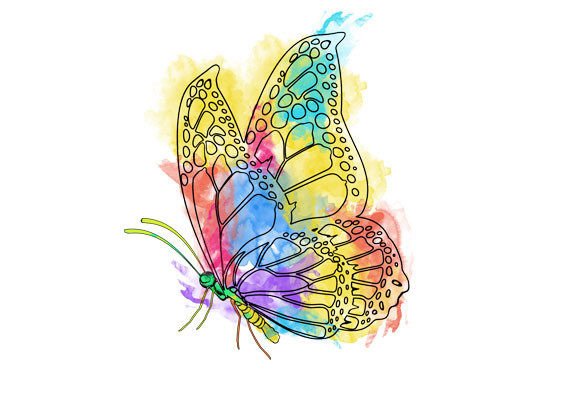
The immediate strength of Watercolor Butterfly 4 lies in its organic fluidity. Unlike rigid, geometric vector art, this design captures the unpredictable bleed and softness of actual watercolor paint. For an embroidery digitizer or apparel decorator, this presents a unique opportunity. The mood is gentle, nostalgic, and distinctly feminine without being juvenile. It avoids the cartoonish look that often plagues insect-themed embroidery project files, positioning it firmly in the boutique and adult-apparel category.
Visually, the wing details suggest a balance between defined edges and soft interiors. If you are planning to convert this into a stitch file, the color blending implies where you might use gradient fills or thread painting techniques. For those using it strictly as a print template for sublimation or DTG, the transparency and texture are high-quality enough to stand alone on white or light-colored garments. The layout is centered and balanced, making it naturally suited for chest placements, tote bag centers, or pillow covers without requiring extensive cropping or resizing.
Real-World Application: The Custom Tote Bag Test
To truly judge the viability of Watercolor Butterfly 4, I mentally applied it to a specific scenario: creating a line of spring-themed canvas tote bags for a local craft fair. Tote bags are a staple handmade product, but they can easily look generic. I needed a design that felt artistic rather than mass-produced.
In this context, Watercolor Butterfly 4 performs exceptionally well because the watercolor style mimics hand-painting. Customers at craft fairs and Etsy shoppers are currently gravitating toward items that feel authentic and artistically rendered. If I were producing this, I would likely pair the printed template with minimal outline stitching. Using a simple running stitch or stem stitch to trace the butterfly’s outer wings adds tactile value without competing with the delicate watercolor shading. This hybrid approach saves stitch time, reduces stabilizer buildup on unstructured canvas, and elevates the perceived value of the finished product. It transforms a standard tote bag design into a piece of wearable art that justifies a higher price point than a basic embroidered logo.
Performance Across Different Substrates
Versatility is key for any Etsy seller or small business owner managing inventory. Watercolor Butterfly 4 adapts differently depending on the material, and knowing these nuances prevents wasted blanks.
- Apparel and Sweatshirts: On fleece or cotton blends, the soft edges of the design complement the fabric's texture. It works beautifully for sweatshirt embroidery when used as a background element behind block lettering. The muted tones prevent the design from looking too heavy on casual wear.
- Nursery and Baby Items: The gentle aesthetic makes it ideal for baby embroidery or nursery decor. However, because watercolor relies on subtle color shifts, ensure your printing method or thread selection maintains contrast. Pastel-on-pastel can disappear in photos, so test against cream or white fabrics first.
- Home Decor: For tea towels and pillow covers, the design acts as a sophisticated accent. It avoids the "kitchen kitsch" vibe, appealing to customers seeking modern farmhouse or cottagecore aesthetics.
- Digital Products: As a printable mockup or digital asset, the resolution allows for clear scaling. Creative entrepreneurs selling clipart or planner stickers will find the clean lines easy to isolate.
Navigating Fabric Limitations and Technical Constraints
Despite its beauty, Watercolor Butterfly 4 requires careful placement. The nature of watercolor art means fine details and low-contrast areas exist. If you are converting this to stitches, be wary of textured fabrics like terry cloth or heavy linen. The fabric texture can visually break up the smooth gradients, making the butterfly look muddy or incomplete. Similarly, dark fabrics pose a challenge; watercolor effects rely on light passing through pigment. On black or navy material, the design loses its luminosity unless you print a white underbase or use a light-colored appliqué fabric beneath the stitches.
For those attempting pure machine embroidery based on this template, watch your stitch density. Replicating watercolor washes often leads to over-digitizing. Heavy fill stitches on lightweight fabrics like voile or quilting cotton will cause puckering that no amount of pressing can fix. Always match the design weight to the fabric weight. If targeting stretchy knits for custom apparel, use adequate stabilizer and consider a cutaway backing to support the design during washing. Also, verify the hoop size requirements before purchasing; resizing complex shaded designs can distort the artistic proportions that make this file special.
Commercial Value and Customer Perception
From a business perspective, Watercolor Butterfly 4 supports brand consistency. Its timeless style ensures it won't look dated next season, protecting your investment in design assets. For commercial embroidery businesses, this design bridges the gap between corporate merchandising and personalized gifts. It is professional enough for a spa uniform yet whimsical enough for a wedding favor.
Customer trust is built on presentation. When listing items online, use the print template to create realistic mockups before committing to production. Show the design on both light and dark backgrounds if applicable. Highlight the artistic quality in your product description; buyers connect with the story of "hand-painted style" more than technical specs. If selling the digital file itself, clearly state licensing terms. Buyers need to know if they can use it for POD (Print on Demand) or only for physical handmade goods. Transparency here reduces disputes and builds a loyal customer base.
Essential Designer Notes Before Production
Before launching Watercolor Butterfly 4 into your production lineup, run through this practical checklist to ensure quality and profitability:
- Test Stitch or Print First: Never skip sampling. Colors on screen rarely match thread or ink perfectly. Verify that the subtle blues and purples distinguish themselves from one another.
- Check Contrast: Convert your test image to grayscale. If the butterfly disappears or looks flat in black and white, it lacks sufficient tonal contrast for embroidery. Adjust thread colors or print saturation accordingly.
- Evaluate Small Details: Inspect the antennae and wing tips. In print, they may be crisp; in stitch, they may require simplification to prevent needle breaks or thread bunching.
- Confirm Licensing: Double-check whether this specific Print Template allows for digitization and resale of stitched versions. Intellectual property compliance is non-negotiable for sustainable craft business operations.
- Mockup Variety: Create mockups showing the design at different scales. A 4-inch chest placement feels different than a 6-inch back print. Give customers visual context.
- Wash Testing: If intended for frequent-use items like aprons or baby clothes, wash your sample three times. Watercolor prints can fade, and dense embroidery can distort. Ensure longevity matches your brand promise.
Watercolor Butterfly 4 is more than a pretty graphic; it is a functional asset for makers who understand the intersection of digital art and textile craft. Whether used as a standalone print template or a guide for a stunning applique design, it offers the organic warmth that today’s market craves. By respecting its technical limitations and leveraging its artistic strengths, you can create products that resonate deeply with buyers and stand out in a crowded marketplace. Always prioritize testing and material compatibility, and this design will serve as a reliable cornerstone for your creative inventory.