Watercolor Lion 15: A Designer’s Embroidery Review
First Impressions and Artistic Mood
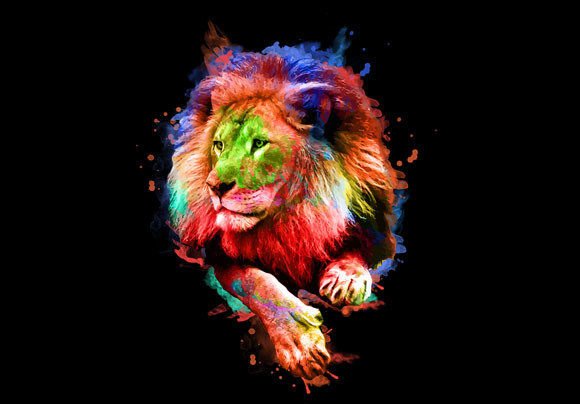
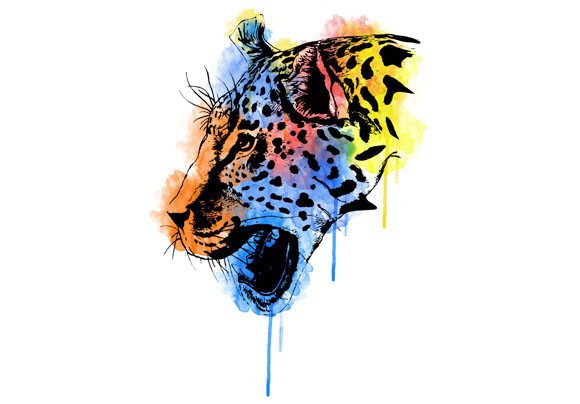
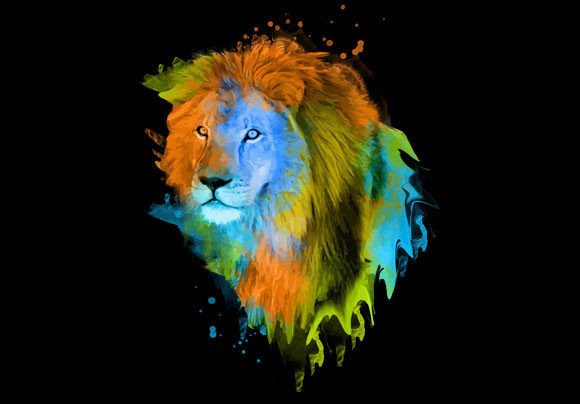
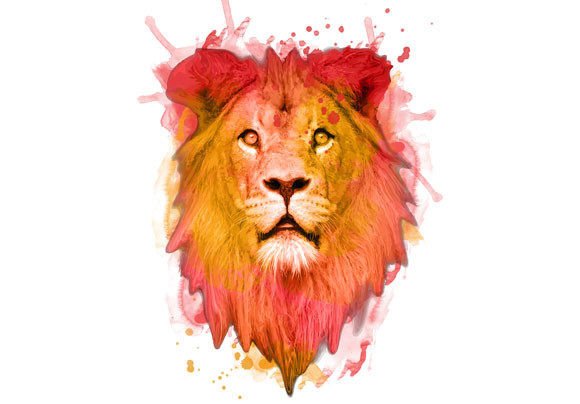
When evaluating a new machine embroidery design for my studio, I look beyond the digital preview to understand how the artwork translates into thread. Watercolor Lion 15 immediately strikes me as a versatile asset with a distinctively soft, organic aesthetic. Unlike rigid vector art or traditional cartoon styles, this design captures the fluidity of painted media. The mood is regal yet approachable, making it suitable for both nursery decor and sophisticated adult apparel. As an experienced reviewer, I appreciate that the visual personality balances intricate detail with open negative space, which is crucial for preventing fabric distortion during stitching.
For creative entrepreneurs and Etsy sellers, this artistic balance is significant. It avoids the generic clip-art look that often devalues handmade products. Instead, Watercolor Lion 15 offers a boutique quality that justifies higher price points on finished goods. Whether you are creating custom apparel or selling digital embroidery files, the design’s inherent elegance suggests it was digitized with an understanding of how light interacts with sheen in embroidery thread. It feels less like a graphic and more like a textile illustration, which is exactly what discerning customers seek in premium craft business items.
Real-World Application: The Custom Tote Bag Test
To truly judge the viability of Watercolor Lion 15, I mentally walked through a recent client project involving heavy canvas tote bags. This scenario tests a design’s structural integrity because canvas is unforgiving; it highlights registration errors and puckering instantly. In this context, I envision placing the lion slightly off-center, perhaps interacting with personalized text. The watercolor style allows for beautiful blending of thread colors, but it also demands precise stabilizer choices. For a tote bag design, I would recommend a cut-away stabilizer to support the fill stitch areas without adding unnecessary bulk that makes the bag stiff.
From a commercial embroidery perspective, this design performs exceptionally well on natural fibers. The muted, painterly tones complement unbleached cotton and linen beautifully. However, if I were adapting this for a sweatshirt embroidery project, I would adjust my expectations regarding texture. Fleece tends to swallow fine details, so testing the stitch density on scrap fabric becomes mandatory. I found that Watercolor Lion 15 has enough definition to survive on textured fabrics, provided you use a topping like water-soluble film to keep the stitches crisp. This adaptability makes it a reliable choice for small shop product lines where inventory varies between woven and knit garments.
Navigating Fabric Limitations and Hoop Constraints
While Watercolor Lion 15 is robust, no design is immune to physics. There are specific scenarios where caution is required. If you are working with stretchy performance wear or thin jersey knits, the satin stitch outlines common in watercolor-style digitizing can cause tunneling. In these cases, using a fusible mesh backing is non-negotiable. Additionally, be mindful when sizing down. Reducing a complex watercolor effect below its intended hoop size can result in thread breaks and lost detail. Always verify the minimum recommended dimensions before committing to baby embroidery or sleeve cuffs.
Dark fabrics present another challenge. Watercolor effects rely heavily on shading and transparency, which can disappear against black or navy backgrounds. Unless the design includes a white underlay specifically digitized for dark garments, the subtle gradients may look muddy. I advise running a test stitch-out on your darkest intended fabric first. Furthermore, avoid placing this design over seams or highly curved surfaces like cap fronts unless you have confirmed the file includes adequate compensation for curvature. A distorted lion loses its majestic appeal and reflects poorly on your brand consistency.
Elevating Product Value and Customer Trust
The true measure of any embroidery file is its impact on the perceived value of the finished product. Watercolor Lion 15 excels here by offering a unique visual signature. When customers browse Etsy listings or craft fair tables, they are drawn to items that look professionally executed. A clean, well-registered watercolor lion signals attention to detail. It transforms a basic tea towel or pillow cover into a personalized gift worthy of special occasions. For those selling printable mockups or digital assets, showcasing this design demonstrates a commitment to high-quality aesthetics, helping build buyer engagement and trust.
Brand consistency is another factor. If your shop focuses on boho, cottagecore, or modern nursery themes, this design anchors your collection cohesively. It pairs naturally with botanical elements, script fonts, and neutral palettes. By integrating Watercolor Lion 15 into your core lineup, you create a recognizable style that encourages repeat business. Customers begin to associate your shop with this level of artistic refinement, distinguishing your work from mass-produced alternatives. This recognition is vital for long-term growth in the competitive handmade market.
Essential Technical Notes for Makers
Before loading Watercolor Lion 15 into your machine, adhere to these professional best practices to ensure success:
- Verify Licensing: Always confirm whether your purchase includes commercial rights for selling finished products or if it is limited to personal use. Check the specific terms for Print Templates if you plan to use them for marketing.
- Stabilizer Selection: Match your stabilizer to the fabric weight. Use tear-away for stable wovens and cut-away for knits or stretchy materials to prevent distortion.
- Thread Color Matching: Watercolor designs depend on specific color blending. Review the included color chart and compare it to your thread inventory. Substitutions should be tested, as even slight shade variations can alter the watercolor effect.
- Mockup Testing: Create black and white mockups to check contrast levels. If the design looks flat in grayscale, it may lack sufficient tonal variation for certain fabric backgrounds.
- Hoop Size Confirmation: Ensure your machine’s hoop accommodates the design with adequate margin for clamping. Never force a design into a hoop that is too tight, as this causes flagging and misalignment.
- Detail Inspection: Zoom in on the digital file to inspect tiny lettering or delicate accents. If details are smaller than 4mm, consider editing them out or simplifying the design for production runs.
Final Thoughts for the Professional Embroiderer
Watercolor Lion 15 represents a thoughtful intersection of art and technical digitizing. It offers enough character to stand alone as a statement piece while remaining flexible enough for various applications, from holiday embroidery to everyday custom apparel. As with any digital embroidery file, success lies in preparation. Respect the fabric limitations, test your stabilizers, and honor the design’s intended scale. When treated with professional care, this design delivers results that satisfy both the maker’s standards and the customer’s desire for beauty. It is a worthy addition to the library of any serious embroidery business or dedicated hobbyist seeking to elevate their craft.